Over 20% of women have what’s known as a retroverted uterus, yet many have never heard the term. I certainly hadn’t until a few months ago during a routine visit to my OB/GYN.
A retroverted uterus is a uterus that tilts backward toward the spine at the cervix rather than leaning forward. This is typically genetic, but it can also have underlying causes such as uterine fibroids, endometriosis, or pelvic scarring from prior surgery or infection.
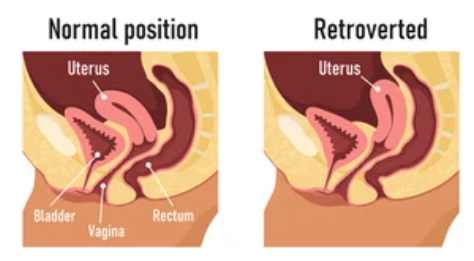
After talking with some of my female friends, I realized that not one of them had heard of a retroverted uterus either. I was shocked that something affecting more than 20% of women was not widely known. Part of the reason may be that many people with a retroverted uterus experience no symptoms at all. Still, when symptoms are present, they can significantly impact daily life.
Common symptoms such as painful periods, difficulty inserting tampons, and painful intercourse are important enough to warrant discussion. Historically, medicine and scientific research have often minimized or overlooked symptoms that primarily affect women, and this feels like another example of that pattern.
How is a retroverted uterus diagnosed?
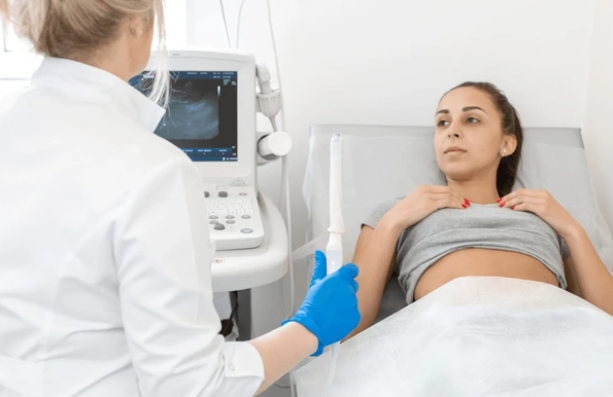
Fortunately, diagnosing a retroverted uterus is relatively straightforward and much simpler than diagnosing conditions like endometriosis. A healthcare provider can determine the tilt of your uterus through a pelvic exam, and an ultrasound can confirm it if needed.
Painful periods
Having a retroverted uterus may cause more painful menstrual cramps. This can be even more prevalent if the tilted uterus is associated with endometriosis. When the uterus is retroverted, blood flow from the uterus to the cervix is constricted, causing stronger cramps during menstruation.
Difficulty inserting tampons
Because a retroverted uterus tilts towards the spine, the vaginal canal may angle differently, making inserting a tampon more challenging. Trying different angles, switching to a menstrual disc/cup, or using pads instead are all valid options to prioritize comfort.

Painful intercourse
A retroverted uterus can make sexual intercourse painful in certain positions. The tilt can increase the likelihood of contact with the uterus or ovaries during penetrative sex, leading to pressure or discomfort. This can be particularly uncomfortable during sexual positions where the person with the retroverted uterus is on top. Experimenting with different positions and speaking with a healthcare provider can help reduce pain and improve comfort.
What about pregnancy?
Having a retroverted uterus will not affect fertility or the health of a pregnancy. However, some women experience increased lower back pain and urinary symptoms during the first trimester of pregnancy. This is likely due to the uterus being tilted towards the spine, placing more pressure on the lower back. As the uterus grows throughout pregnancy, it typically shifts forward on its own.
Having a retroverted uterus may come with no symptoms at all; you may never even know you have one. However, it is possible that some things you may be experiencing, such as painful intercourse or menstrual discomfort, could be linked to the positioning of your uterus. A transvaginal ultrasound is a common and minimally invasive way to determine uterine positioning and may provide helpful answers.
Leave a Reply