anjalie
-
Retroverted Uterus: A Common Condition We Rarely Talk About
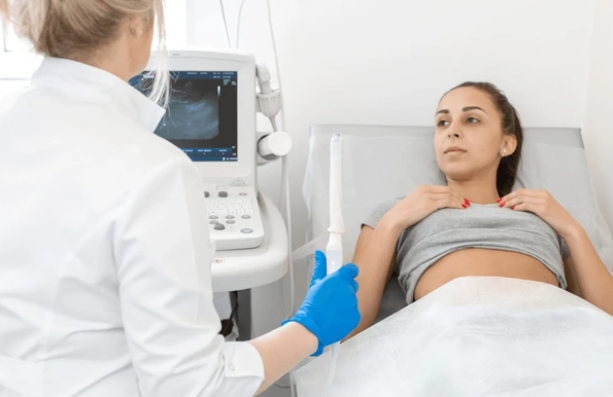
Over 20% of women have what’s known as a retroverted uterus, yet many have never heard the term. I certainly hadn’t until a few months ago during a routine visit to my OB/GYN. A retroverted uterus is a uterus that tilts backward toward the spine at the cervix rather than leaning forward. This is typically…
-

With Flowers in Our Hair: Serving and Healing with AmeriCorps in San Francisco
Activism has always been a driving force in my life, especially when it comes to advocating for those whose lives are often overlooked or marginalized. Growing up so close to Washington, D.C., I had the opportunity to participate in multiple protests from gun violence to abortion rights. My earliest experience was participating in the International…
-

Stories of Trust, Resilience, and Care in San Francisco Shelters
Through my AmeriCorps service term, I’ve served as a Health Educator for San Francisco’s most vulnerable populations. I’ve been part of the Department of Public Health’s Whole Person Integrated Care program, which includes low-barrier initiatives like Street Medicine and Shelter Health. These programs are based out of the Maria X Martinez Health Resource Center, which…
-
Beyond the Checklist: Embracing Human Connection in Shelter Health
When I began my role as the National Health Corps (NHC) San Francisco Shelter Health Educator, my biggest worry was not being able to do enough to have a real impact on the community. I was completely new to San Francisco, being born and raised in suburban central Maryland. In our pre-service orientation week, previous…
-

A Lasting Impact in an Impermanent Role
A facet of my service experience I find myself returning to is the temporary nature of any AmeriCorps position. Though there is absolutely an impact in acutely solving issues, the power of long-term impact cannot be understated. My current role is not permanent, and the AmeriCorps positions themselves experience much transience. This brings up the…
-

Be the Change: Making Healthcare Work for All
In my undergraduate public health courses, we often discussed how the current U.S. healthcare system is not built to serve all individuals who need care equitably. I learned about the difficulties in navigating the system, complications with insurance, and lack of cultural competency. I saw various instances of this in my medical assistant positions while…
-

‘Bleeding in Silence: Exploring Period Stigma in India, Bangladesh, and Nepal’ Paper Abstract
Menstruation affects over 800 million individuals daily, yet it remains widely misunderstood and stigmatized. Period stigma, rooted in cultural, religious, and social norms, perpetuates harmful narratives that portray menstruation as shameful or impure, limiting open conversation and contributing to health inequities. This stigma hinders menstrual equity by restricting access to menstrual products, accurate health education,…
-

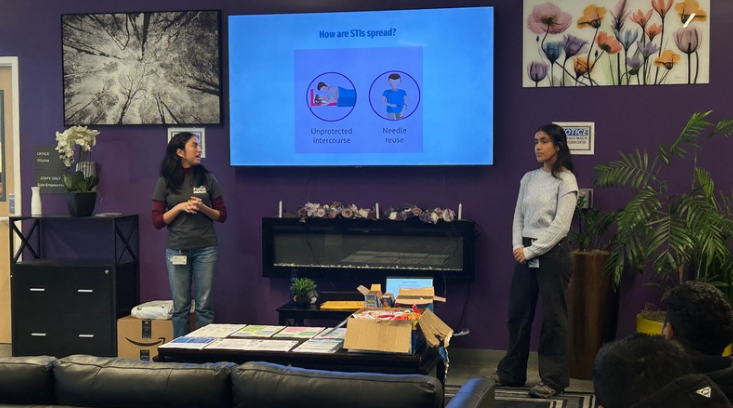
Breaking Barriers, Building Trust: STI Education in San Francisco Shelters
In light of HIV/AIDS Awareness Month. My name is Anjalie Gowda (she/her) and I was born and raised in Ellicott City, Maryland. I graduated from the University of Maryland, College Park in 2024 with a Bachelor’s in Public Health Science, and a drive to make a difference in reproductive health. I am grateful for the…
-

From Resources to Real Impact: Uniting San Francisco’s Unhoused Services
San Francisco is incredible in that there are so many resources and programs to remove barriers to getting care and meeting one’s basic needs. Having a lot of resources also means many players at once. The Homeless Outreach Team (SFHOT) helps connect individuals to shelters or housing. Street Medicine and Shelter Health exist within Whole…
-

Beyond 2020: What a Year Working in Vision Therapy Taught Me About Misdiagnosis
I spent a year working in the office of Dr. Bryce Appelbaum, a Neuro-Optometrist and the founder and CEO of MyVisionFirst. My role as a Vision Therapy Medical Assistant involved guiding adult and child patients in performing exercises to strengthen the visual system as directed by Dr. Appelbaum’s methods. We led and supported patients through…